This week’s podcast abounds with helpful information and advice about elder care and elder abuse. Attorney Anthony Carr joins Gary in the conversation, and they discuss with Mike Buck, our host, everything from the variety of options available for senior care, to the hidden epidemic of abuse and neglect, to how to check in and make sure someone you know in a care facility is getting treated well.
Without question, elderly parents are best taken care of at home, but we have economic needs that force their children to put their mothers, fathers, aunties in care homes because they cannot afford to stay home and take care of them. More often than not, there’s a very slick sales pitch that comes when people are looking for a place.
People are very trusting in Hawai‘i. People assume that placing a parent in a care facility that things are going to be fine—wonderful, even—but you cannot assume that. You need to establish rapport with the charge nurse, and be the advocate for whoever you have there, and satisfy yourself that you have the complete picture.
Partly, that starts with making regular visits to facilities where your loved ones lived. Escort your mom, your dad, your auntie, to their medical appointment. Be a little more niele (nosy) than you normally would. If someone misses taking a bath the day you visit, for example, you should try to find out if that’s an isolated incident or part of a pattern. Are there schedules in place that the facility has allowed to lapse? Vigilance on your part could help uncover such negligence.
People frequently report to us that they first noticed a problem when something didn’t smell right, that the bedding was soiled and hadn’t been changed. Bedsores are especially egregious signs of neglect, and they can worsen quickly. If you are aware of one, don’t leave the facility until there’s a medical intervention: get a doctor involved right away.
“A lot of the incidents that we’ve seen coming into our office were preventable, and that’s where our passion starts—helping to spread awareness and knowledge of these issues, whether it’s the difference in the standard of care these facilities offer, dangers of bedrails, spreading awareness through the community so that they’re armed with that knowledge and information so that these incidents stop happening, and while it might be possible to completely eliminate them, at least we could see a decline.”
One of the main points of our guide is to make sure that, should a loved one of yours require a care facilitiy, they find one that provides the right level of care for their needs. Be extra skeptical about the salesmanship of these facilities, too.
This summary has only scratched the surface. We care deeply about this issue, which is why we’ve devoted an entire website to it at http://StopHawaiiElderAbuse.com, and written a free guidebook, which you can get by filling out the form that follows. Please do listen to the show, too, as it’s chock full of further useful information.

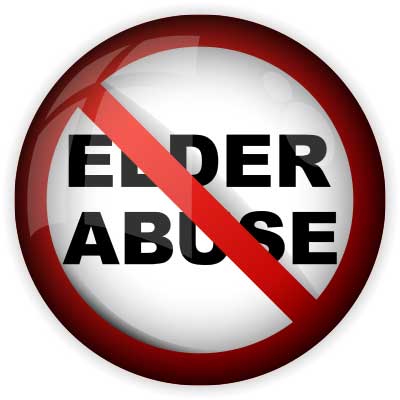








 Hawai‘i’s Adult Protective and Community Services Branch (“APCSB”), which protects vulnerable adults from abuse and neglect, reported 801 cases of elder abuse in 2014. However, elder abuse is a “hidden” wrong as experts estimate that for every report of elder abuse to the authorities, between 10 and 24 go unreported (see Lifespan of Greater Rochester et al., 2011). Using this estimate, there are approximately 10,000-24,000 cases of elder abuse in Hawaiʻi each year.
 Between 1990 and 2012, the number of elderly aged 75 and older increased 47% nationally, compared to a 116% increase in Hawaiʻi. 15.6% of Hawai‘i’s population was 65 and over in 2013, compared with 14.1% nationally.
 In the United States, the 2010 Census recorded the greatest number and proportion of people age 65 and older in history: 40.3 million, or 13% of the total population. This “Boomer Generation” effect will continue for decades. By 2050, people age 65 and older are expected to comprise 20% of the total U.S. population.
 The fastest growing segment of America’s population consists of those 85 and up. In 2010, there were 5.8 million people aged 85 or older. By 2050, it is projected that there will be 19 million people aged 85 or older.