

Statute of Limitations for Sexual Assault in Hawai’i and California

Does rape have a statute of limitations? The answer to that question depends on a few factors, not the least of which is state law. The question of how long a person has to report sexual assault is also critical for survivors seeking justice.

The laws governing the time period (statute of limitations) vary widely across states due to differing legislative priorities, societal views on trauma, and evolving understandings of how trauma affects survivors of childhood and adult sexual assault. In states like California and Hawai’i, recent legal changes have expanded options for survivors.

Why Statutes of Limitations Vary

The statute of limitations for sexual assault differs by state based on factors like:

  • the severity of the crime
  • the victim’s age
  • evidence availability

For instance, serious felonies like rape often have longer or no time limits compared to lesser offenses, as states prioritize justice for severe crimes. Some states extend deadlines for cases involving minors, recognizing that trauma may delay disclosure.

Advocacy has also driven reforms, with states like California and Hawai’i revising laws to accommodate survivors’ needs. Additionally, advancements in DNA evidence have prompted some states to extend or eliminate time limits when new evidence emerges, impacting the rape statute of limitations.
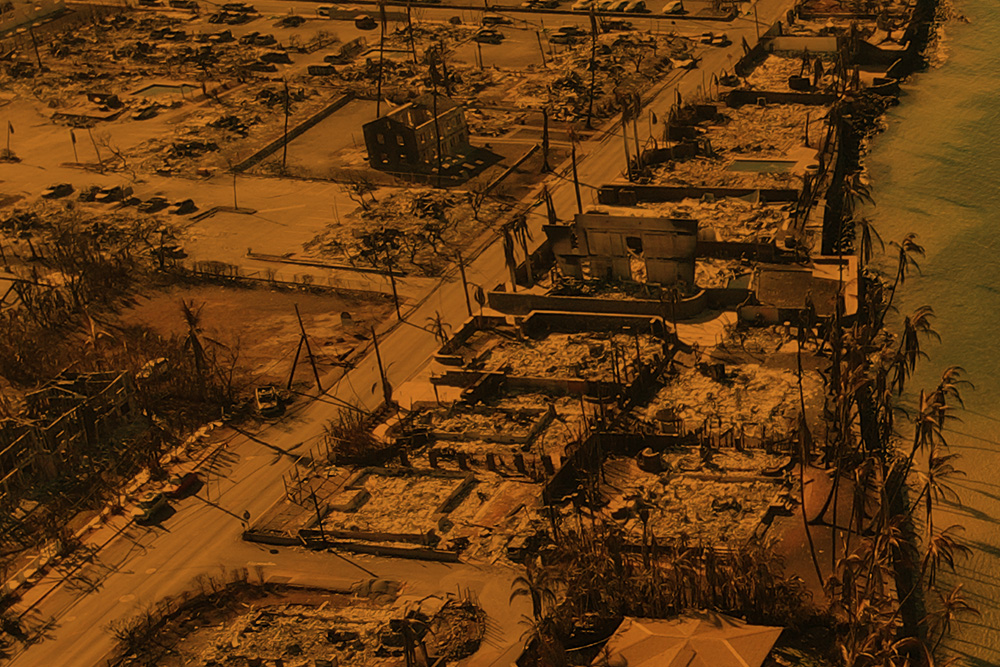
Lawsuit Filing Deadline Extended for Maui Fire Victims

On the day that Maui residents observed the second anniversary of the Lahaina wildfires, Maui Judge Peter Cahill extended the lawsuit filing deadline, providing victims additional time to seek damages and participate in a $4 billion settlement reached with defendants.

Judge Cahill extended the statute of limitations to October 1. To qualify, victims must submit by October 1:

  • A signed settlement agreement
  • A claims questionnaire
  • All supporting documents for their damages

In May 2025, Judge Cahill approved a distribution plan for the $4 billion settlement reached with defendants. The ruling sets in motion a process for individual wildfire victims to begin receiving compensation as soon as December 2025 through the Individual Settlement Plan (ISP). More than 20,000 people—including families who lost loved ones, homes, businesses, and livelihoods—are eligible to submit claims.

Victoria Chang News Commentary: New Hawai‘i Law Puts Sex Abuse Survivors ‘Front and Center’

“Thanks to the 2024 legislature, Hawai‘i is taking an important step toward recognizing the unique challenges facing survivors of sex abuse, helping them on the long road to recovery and justice,” Galiher DeRobertis & Waxman’s Victoria Chang writes in a Hawaii Star-Advertiser guest commentary this week regarding the passage of Senate Bill 2601.

Signed into law by Gov. Josh Green earlier this month, SB 2601 prioritizes the victim. Unlike criminal laws focusing on punishing perpetrators, civil lawsuits hold businesses and institutions accountable for failing to protect children. The new law acknowledges that most survivors do not report their abuse, and those who do often delay reporting by an average of 20 years.