The link between pesticide use and increased rates of cancer is well-documented, with several studies noting that rural communities are especially hard hit by this health crisis. According to a recent study in the journal “Frontiers in Cancer Control and Society,” people who live in agricultural communities in the U.S. where pesticides are used on farms—but who don’t farm themselves—face the same increased cancer risk as people who smoke.
These findings are echoed in another recent study in which researchers conducted a county-by-county analysis of cancer rates and pesticide use in Missouri. The study found that the four counties with the highest use of pesticides per square mile rank in the top 15 for overall cancer rates in Missouri. Further, the study noted that the counties with the highest rates of cancer are rural.
We can help.
The Negative Effects of Pesticides on Communities
The dangers of pesticides on communities are numerous. There is a link between use of pesticides and health effects beyond cancer, not to mention the impact on the environment.
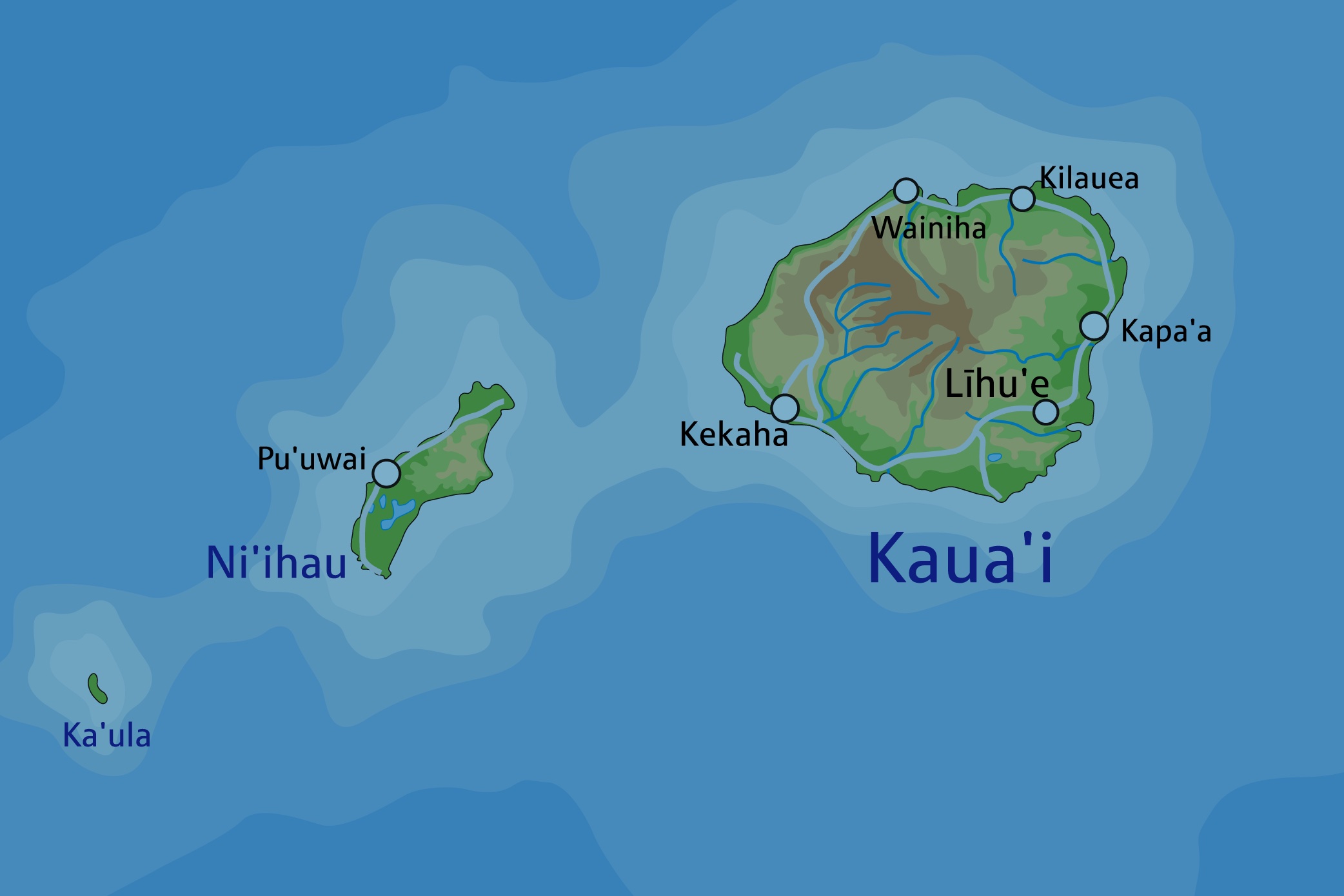
The state of Hawai‘i has been particularly vulnerable to the effects of pesticides. Heavily used in genetically engineered (GE) crops throughout the state, pesticides have posed a serious threat to both public health and biodiversity. Roughly 90% of industrial GMO corn grown in the United States was originally developed in Hawai‘i, in particular on the island of Kauai. A study by the Center for Food Safety found that on Kauai alone, chemical companies spray 17 times more restricted-use insecticides per acre than on ordinary cornfields in the U.S. mainland.
This begs the question: What are the dangers of pesticides such as those used on corn crops in Hawai‘i? Connections have been made to heavy pesticide use and negative consequences on the health of people living in nearby communities, such as severe birth defects.
The report “Pesticides in Paradise: Hawai‘i’s Health and Environment at Risk” details the effects of pesticides on Hawai‘i’s biodiversity, noting the many threats posed by specific chemicals to Hawai‘i’s marine and animal life.
Why Are Pesticides Bad?
Pesticides are designed to kill or control living organisms, and the dangerous chemicals that harm pests can also affect humans, animals and the environment. From a biological and environmental standpoint, there are many negative consequences associated with the heavy use of pesticides. If you’re wondering “why are pesticides bad” and what specific dangers they pose to humans, animals, and the environment, here’s a breakdown:
- Toxicity to humans: Pesticides contain toxic chemicals that can interfere with the nervous, hormonal, and reproductive systems.
- Environmental persistence: Some pesticides remain in the soil, water and air for months or even years, posing a threat to animals and marine life.
- Water and soil contamination: Pesticide drift (i.e. the unintended movement of pesticide chemicals away from the target area) can contaminate groundwater, rivers and streams, and soil.
- Harm to non-target insects: Pesticides can end up harming pests other than those they are meant to target.
- Resistance issues: Over time, pests become resistant to pesticides.
The Connections Between Pesticides and Health Problems
There is a connection between pesticides and health problems such as nausea and skin irritation, and more serious health consequences such as cancer and birth defects.
When it comes to human health, the dangers of pesticides include:
- Endocrine and reproductive issues
- Birth defects
- Several types of cancer, including leukemia, lung and pancreatic cancer
The study by the Center for Food Safety found that pesticide exposure in Hawai‘i, either in utero or in early childhood, is also linked to neurobehavioral issues and cognitive deficits.
How We Help Hawai‘i Victims of Pesticide Exposure
Seek justice with the help of our experienced lawyers. Our Hawai‘i pesticide law firm has battled corporate giants on behalf of individuals like you for over 40 years, aggressively fighting to hold them responsible for dangerous chemicals and the birth defects and personal injuries they cause. If you have a child with birth defects caused by dangerous products, we can help.