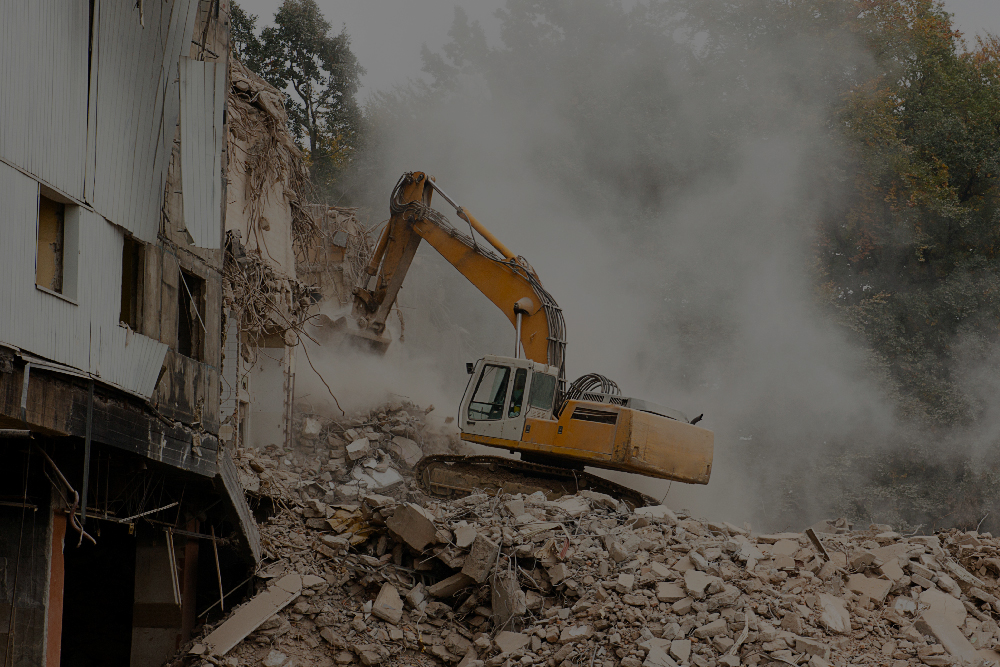
Asbestos exposure remains a serious health concern decades after its widespread use was banned in many countries. When asbestos-containing materials are disturbed, microscopic fibers can become airborne, creating invisible health hazards that can persist far longer than most people realize.
If you’ve ever wondered how long asbestos stays in the air and what steps you can take to prevent exposure, we answer those questions here.
We can help.
Asbestos Explained
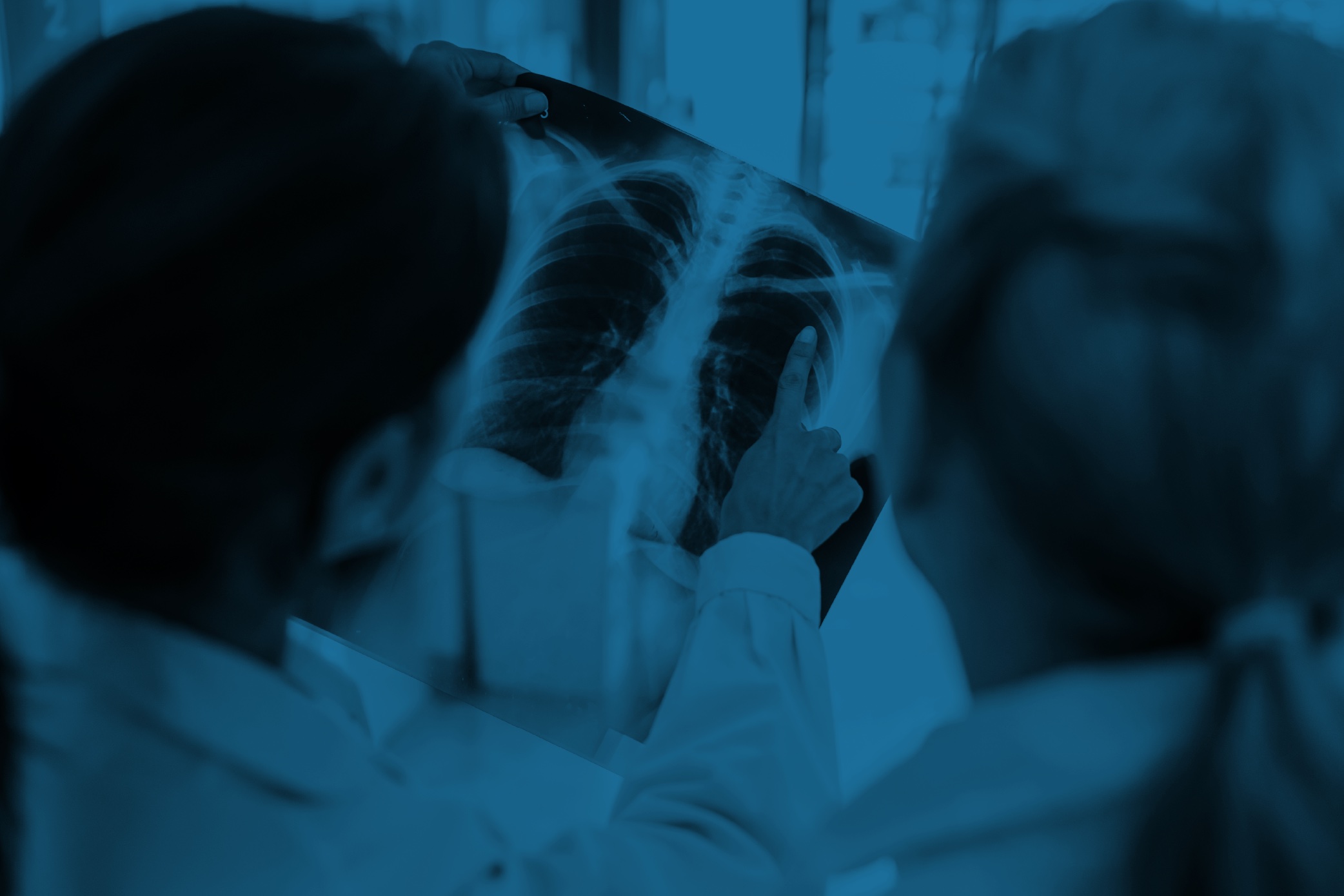
Asbestos has been linked to lung cancer, and it is the only known cause of the deadly cancer mesothelioma. Asbestos fibers stay in your body for decades, and cancers and other health effects are known to take many years to appear.
How Long Does Asbestos Stay Airborne?
The Environmental Protection Agency (EPA) has established that asbestos fibers can float in the air for hours or even days without settling, depending on factors including air circulation, humidity, and the size of the fibers themselves.
How Could I Be Exposed to Asbestos?
Asbestos exposure doesn’t just happen in traditional industrial settings. The Agency for Toxic Substances and Disease Registry (ATSDR) notes that people can encounter asbestos in various everyday situations. Contaminated cosmetics, particularly talc-based products like Johnson’s Baby Powder and a wide variety of over-the-counter cosmetics, have been found to contain asbestos.
How Long Does Asbestos Stay in the Body?
When asbestos fibers are inhaled, some settle in the airways and on the cells within the lungs. Most of these fibers are cleared as they become trapped in mucus, which is either coughed up or swallowed into the stomach—usually within a few hours. However, fibers that reach the deepest parts of the lungs are eliminated much more slowly. In some cases, they may migrate through lung tissue, remain lodged for many years, and in certain instances, never leave the body.
If you’ve experienced significant asbestos exposure, maintain regular contact with healthcare providers who understand occupational health risks. Early detection of asbestos-related diseases can improve treatment outcomes.
Workplace Safety and Ongoing Vigilance
Employees working in industries with ongoing asbestos risks should receive proper training about exposure prevention and emergency procedures. Employers have legal obligations to provide safe working environments and appropriate protective equipment when asbestos exposure risks exist.
Regular health monitoring for at-risk workers is essential. Workers should maintain detailed records of their employment history and any known asbestos exposures to assist healthcare providers in monitoring their health over time.
The key to asbestos safety lies in understanding that any asbestos in the air poses serious health risks, and these risks can persist long after the initial disturbance. When in doubt, always consult with certified professionals who have the expertise and equipment to handle asbestos safely.
How We Help Victims of Asbestos Exposure in Hawai‘i
Seek justice with the help of our experienced Hawai‘i asbestos attorneys. Our mesothelioma law firm has represented Hawai‘i residents like you affected by asbestos exposure for over 40 years, aggressively fighting the corporate giants responsible for their dangerous products. If you or a loved one were exposed to asbestos or suffered from a disease caused by asbestos, like mesothelioma, we can help.