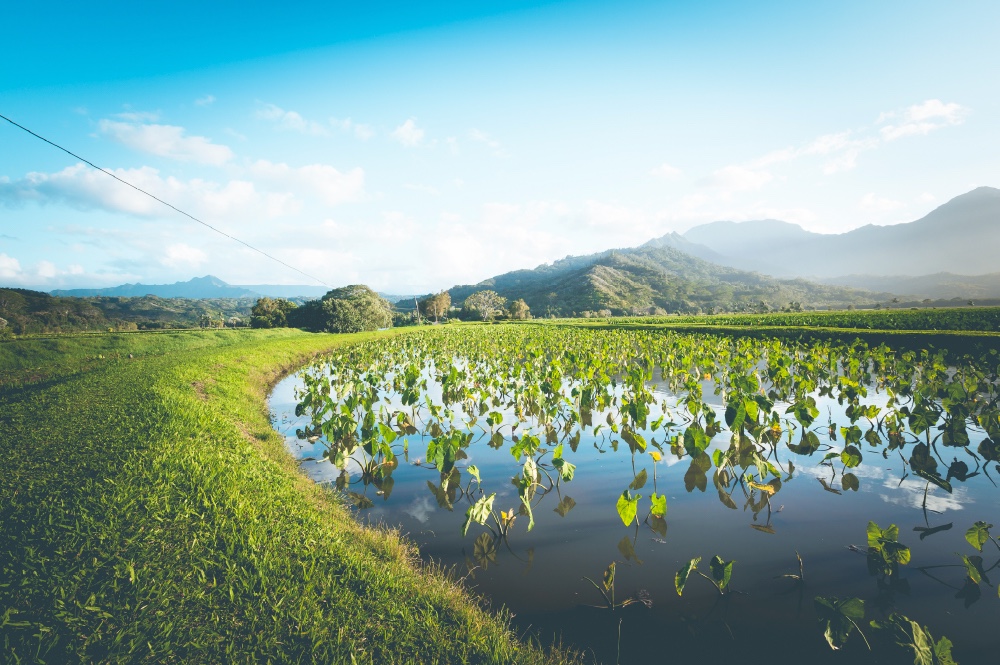

Hawai'i's lush farmland and year-round growing season make it one of the most agriculturally productive states in the nation. Yet this productivity comes at a serious and often hidden cost: the widespread use of pesticides and herbicides that can end up directly in the food you eat and the water you drink, creating urgent health risks to everyone in the community.
If you live in Hawai'i, it's critical to recognize pesticide exposure symptoms and know which produce poses the highest risk—your health and your family's could depend on it.
We can help.
What Do Pesticides Do to Humans?
Pesticides are chemicals designed to kill insects, weeds and fungi. When humans are exposed, through food, water or skin contact, the effects can range from mild to severe.
Common pesticide ingestion symptoms include:
- Nausea
- Vomiting
- Diarrhea
- Dizziness
- Headaches
More serious poisoning by pesticides can cause:
- Seizures
- Respiratory distress
- Loss of consciousness
- Long-term neurological damage
Chronic low-level exposure poses a serious threat. Research increasingly links repeated pesticide exposure to cancer, hormone disruption, developmental delays in children and immune system damage. This urgent risk is especially pressing in Hawai’i, where cancer-causing herbicides and pesticides have been detected in the state’s water supply.
Pesticide Use in Hawai’i
Hawai’i has long been a testing ground for genetically modified crops, which often require heavier pesticide applications. In recent years, controversies over herbicide use on public lands have intensified, including a push by Maui officials to reinstate banned pesticides on public lands, raising serious questions about regulation and public health.
Residents near agricultural areas face extremely high exposure risks, but no one is immune—pesticide exposure symptoms can strike anyone consuming contaminated produce, even from your local supermarket.
Which Produce Has the Highest Pesticide Levels?
Given these exposure concerns, you may wonder which foods carry the most risk. The Environmental Working Group compiles an annual “Dirty Dozen” list ranking fruits and vegetables with the highest likelihood of pesticide residues. This year’s list includes:
- Strawberries
- Spinach
- Kale and mustard greens
- Peaches
- Pears
- Nectarines
- Apples
- Grapes
- Bell and hot peppers
- Cherries
- Blueberries
- Green beans
These items contain residues of multiple pesticides—sometimes dozens—even after washing. For Hawai’i residents, locally grown versions may pose even greater immediate risk, depending on intense regional farming practices.
How to Minimize Your Exposure
You don’t have to stop eating fruits and vegetables to reduce your risk. Here are practical steps to lower your exposure:
- Choose organic when buying items on the Dirty Dozen list, particularly produce that your family eats frequently.
- Wash produce thoroughly under running water, even items labeled organic or pre-washed.
- Peel when possible. Many pesticide residues concentrate in the skin.
- Buy local and ask questions. Farmers markets give you direct access to growers. Ask about their pesticide practices.
- Vary your diet. Eating a wide range of produce reduces repeated exposure to any single chemical.
When Pesticide Exposure Symptoms Become a Legal Issue
Pesticide exposure symptoms that persist, worsen over time or are connected to a cancer diagnosis deserve serious attention. In Hawai’i, residents have faced documented exposure to dangerous chemicals through both food and drinking water, and some have suffered life-altering health consequences as a result.
If you or a family member has experienced serious health problems that may be linked to pesticide or herbicide exposure, speaking with an attorney who understands these complex cases can help you understand your rights. The health risks are real, and in some cases, accountability is possible.